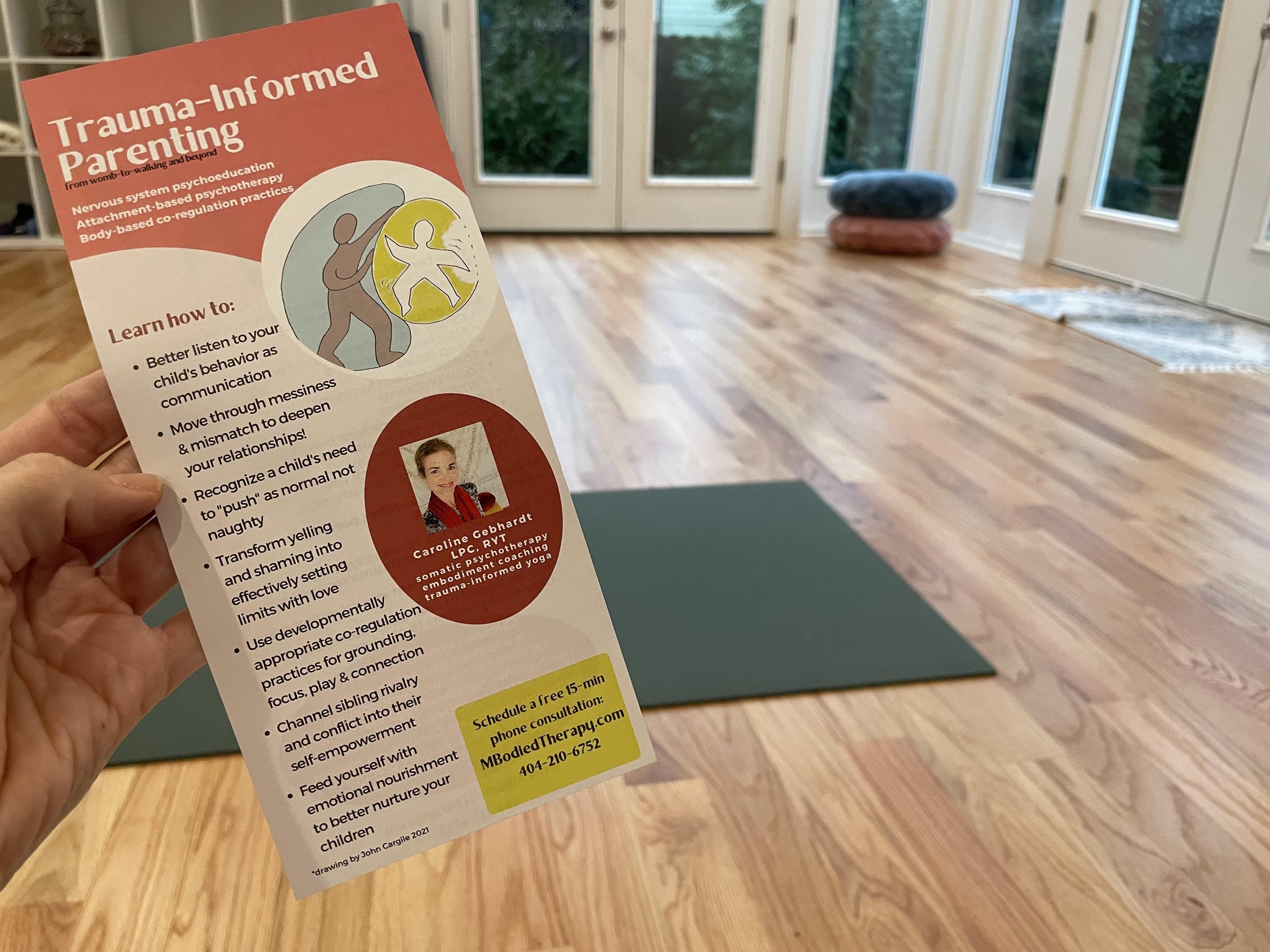
Parent & Family Therapy in Atlanta, GA
Somatic Therapy for parents and families to deepen connection, support co-regulation, and create generational change
Parent and Family Therapy in person, Atlanta, GA and online across Georgia

The stress, intensity, or big emotions in your home are starting to impact connection—and you’re ready for a different way forward.
Parenting can bring love, meaning, and connection—but it can also stir up stress, overwhelm, and patterns you didn’t expect.
Early Parenting Challenges
The early years can feel like a whirlwind—conception, loss, hope, birth or adoption, physical recovery, sleep deprivation, and the emotional shifts that come with it all. From baby blues to anxiety or depression, to caring for a clingy baby (sometimes with a toddler in tow), you may find yourself wondering: how do I nourish myself while caring for everyone else?
Opposition, Defiance, and Big Feelings
Toddlers and teens can leave you feeling lost or frustrated. Maybe “no” is the constant refrain, or eye-rolls spark reactions you wish you could hold back. Daily power struggles, public meltdowns, or after-school explosions can create a sense of disconnection—and even dread.
Family Friction
Ongoing tension in the family—sibling rivalry, boundary challenges, school or learning differences, eating disorders, substance use, major transitions, or divorce—can leave you wondering if things can feel connected and workable again.
Generational Patterns
You may notice yourself reacting in ways you never intended—raising your voice, feeling overwhelmed, or repeating patterns you hoped to change. You’ve tried to understand it, maybe read the books—but something in you knows that insight alone isn’t enough. You’re ready for support that helps create real change.
This is where a different approach can begin—one that supports you, as the parent, in experiencing the kind of embodied support that can be brought into your family, creating new patterns of connection across generations.
Why the body’s intelligence matters…
When parents are supported, they’re better able to recognize their children’s behavior as communication—opening the door for more curiosity, connection, and space for big feelings. As this kind of relational support flows from one generation to the next, families can begin to shift old patterns and experience more consistent connection, enjoyment, and growth.
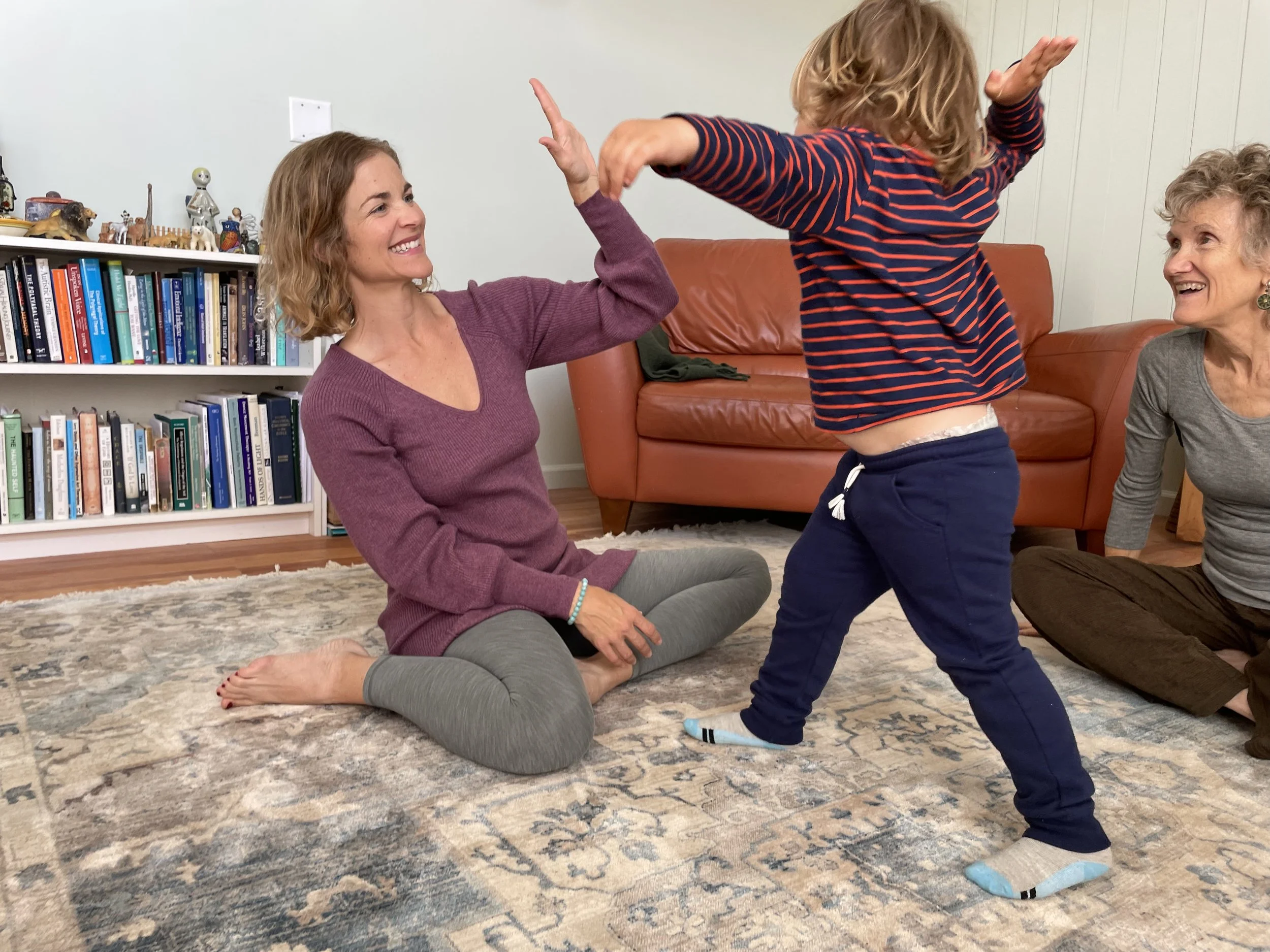
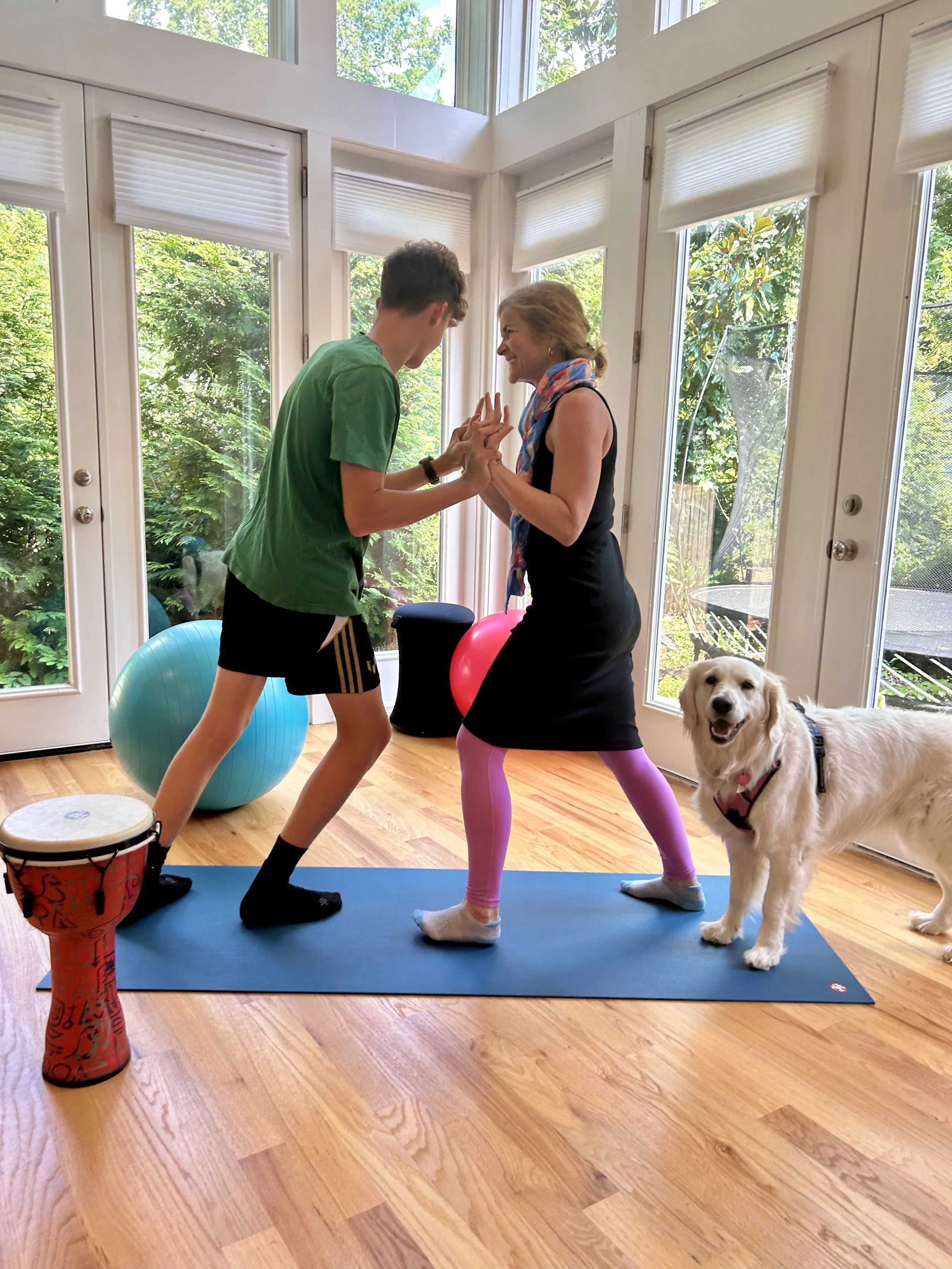
Supporting parents in building connection and co-regulation skills that go beyond words—benefiting the whole family
This is how change begins—not by fixing your child, but by supporting the system they grow within.
-
Before your child can learn to self-regulate—and before you can offer co-regulation—your own experience matters. When you feel supported, anchored, and held through the parts of you that get activated, you’re more able to offer steady, nervous-system-to-nervous-system support to your child.
Instead of bracing yourself, reacting automatically, or shutting down your child’s behavior to cope, you begin to respond with more presence and flexibility. Rather than falling into shame for repeating old patterns, this work supports a kind of embodied “re-parenting”—helping your nervous system find new ways of responding, so you can meet your child with greater steadiness through the natural pushes and pulls of development.
-
Rather than assuming your family is broken or your child is the problem, this work invites a different perspective: mismatch and messiness are not failures—they are a natural part of relationships.
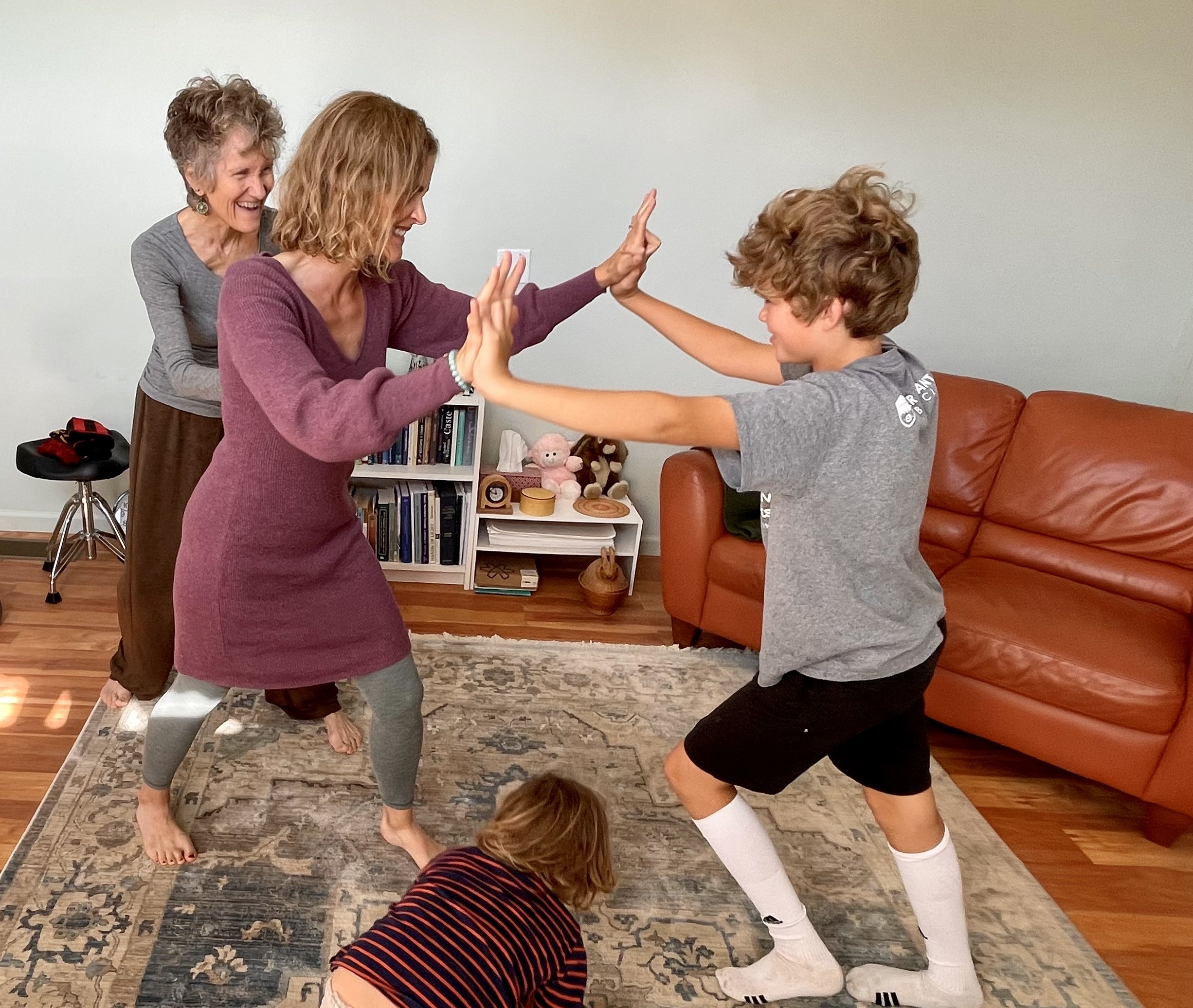
When you begin to expect moments like sibling conflict, defiance, tantrums, or even tension in your romantic partnership, you can become more able to “dance with mismatch” instead of reacting to it. With greater understanding of developmental needs and relational dynamics, you can slow things down and respond with more compassion and creativity—rather than rushing to fix or control.
And when ruptures do happen—as they inevitably will—you can hold onto the truth that perfection isn’t the goal. Repair is. With support, space, and intention, moments of disconnection can become opportunities for reconnection and change.
-
Rather than relying on force, shame, or “shoulds” to manage behavior, this work supports a shift toward invitation, collaboration, and connection. Instead of a “chain of command,” families begin to experience a “chain of support.”
In this shift, there is more room for expression, dialogue, and mutual understanding—alongside clear, supportive boundaries that help children feel safe. When parents receive embodied support, it creates the conditions for children to explore connection and independence in developmentally appropriate ways.
Over time, this changes more than just day-to-day interactions—it begins to reshape relational patterns across generations.
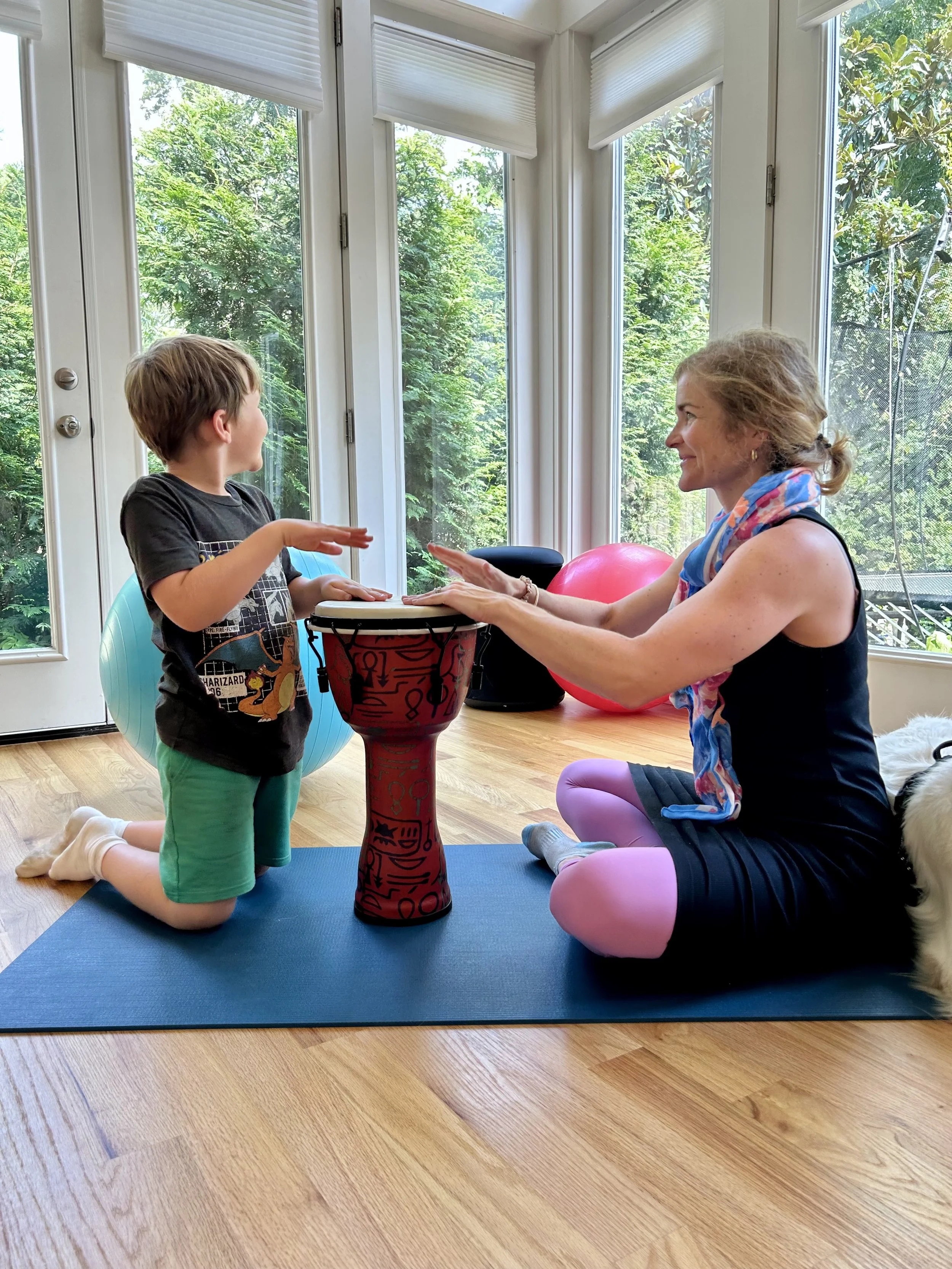
The Relational Method Behind this Approach
Many people come to this work navigating the intensity of parenting and caregiving. When our bodies have learned patterns of stress, inhibition, or disconnection, it shapes how we relate to ourselves—and to the people we love. In moments of mismatch within the family, parents often find themselves reacting in ways that reflect how they learned to cope with overwhelm. Over time, these patterns can be passed from one generation to the next.
Parent and family therapy grounded in relational and developmental somatic practices offers a way to gently work with these patterns, so greater ease, connection, and responsiveness can emerge.
My work is grounded in Chi for Two®, a mindful embodiment method for trauma healing that I helped co-develop and now teach as an ISMETA-Approved Training Program.
Chi for Two is a relational, movement-based approach that supports the body in re-experiencing early developmental patterns of safety, connection, and play. The name reflects a simple truth: our nervous systems do not heal in isolation. Healing happens through movement, relationship, and the body’s innate capacity to reorganize when it feels safe enough to do so.
This approach weaves together somatic therapy, trauma-informed practices, and mindful movement to help you reconnect with parts of yourself that may have become frozen, inhibited, or disconnected over time.
Within my practice, I bring this work to life through M-Bodied: Mindful Movement as Mothering Medicine®, an approach I created that explores how mindful movement and relational nervous system awareness can support healing and nourishment for individuals and families.
As parents experience this support, they are able to bring these embodied shifts back into their relationships—supporting their children and reshaping patterns within the family. Through this work, healing becomes not just symptom relief, but the restoration of vitality in the body, in relationships, and across generations.
Here, “mothering” is understood as a verb rather than a gender role—the human capacity to nurture, attune, and support life within ourselves and our relationships.

If you're ready for more support in your parenting and your family relationships, you’re welcome to schedule a consultation or reach out to explore what this could look like for your family.
Parent and family therapy grounded in somatic support can help you embody:
-
Your children depend on your presence for safety, consistency, and support. When you offer a “good enough” holding environment, they begin to develop their own internal sense of presence—their Inner Parent.
If this feels hard to access, relational therapy can help you build the support needed to offer that steadiness.
-
Children communicate in many ways—sometimes subtle, sometimes loud. Attunement is your ability to notice and respond to both verbal and nonverbal cues.
If you feel depleted or unsure how to respond, it may be a sign you need attuned support, too. Your needs for care matter.
-
Safety includes the ability to express needs, limits, and emotions—not just compliance. When children feel safe to connect and push back, they experience the freedom to be themselves.
Therapy offers a non-shaming space to build this kind of safety.
-
Children rely on your nervous system to help regulate theirs. Co-regulation includes a full range of emotions—not just calm.
If you feel anxious, reactive, or depleted, your system may need support. Somatic therapy helps you build steadiness so you can offer the same to your child.
-
The patterns you carry shape how you relate to your family. This work is not about blame—it’s about creating space for something new.
As you embody presence, attunement, safety, and co-regulation, these shifts ripple outward—creating more connection and possibility across generations.
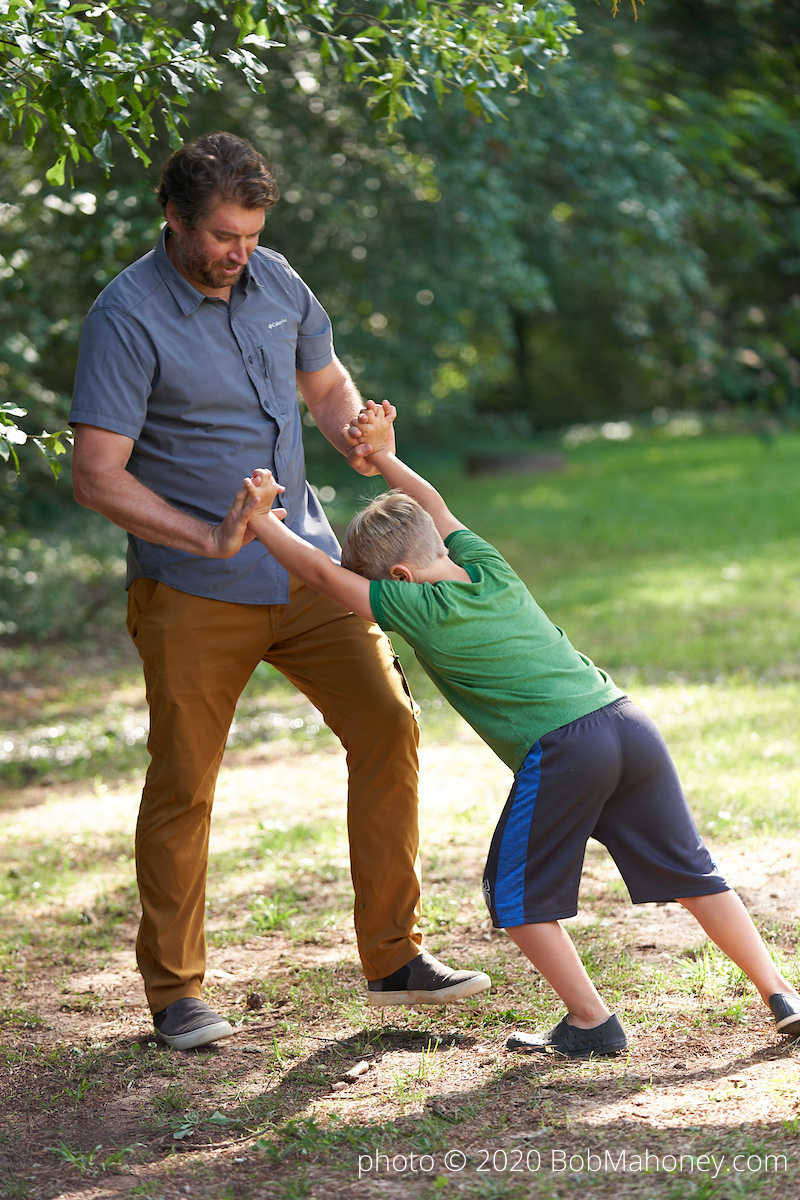
These are not skills you have to figure out alone—they are capacities that can be supported, practiced, and embodied over time.
Frequently Asked Questions
-
A: Both. Every family is unique. Sometimes I work with parents only, and sometimes children are included.
I encourage parent involvement whenever possible. It can be powerful for children to see their parents engaging in their own growth with support and without shame, strengthening connection and trust.
-
A: I take a collaborative, team-based approach and often work alongside other providers. As a therapist and a mother, I understand the complexity of managing care alongside emotional intensity.
Rather than expecting things to feel smooth, I help parents build steadiness and confidence within the messiness—supporting resilience, connection, and empowerment rather than fear or shame.
-
Yes. Your and your child’s unique ways of thinking, feeling, and engaging with the world are welcomed as strengths.
This work is invitational—supporting you in finding what works best for you and your family.
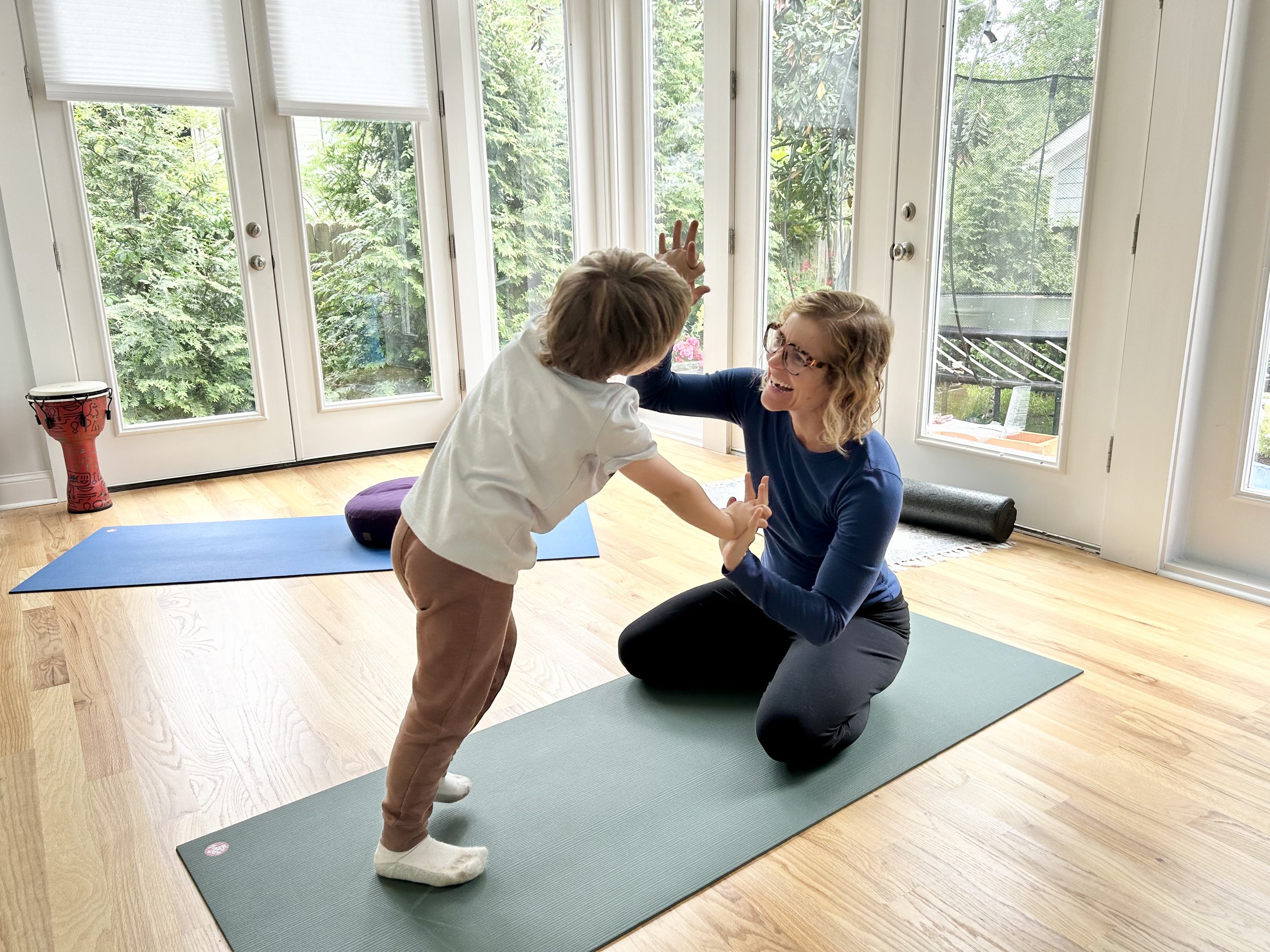
No one gets what is ideal. However, when we have somatic knowing of what is ideal, we become who we would have become if we had gotten what is ideal.
- Dee Wagner, originator of Chi for Two®

Who Benefits from Parenting & Family Therapy?
Parents & their children of all ages: Babies, toddlers, kids, tweens, teens & adult children
Areas of support:
Clingy, fussy baby
Attachment concerns
Sleep issues
Toddler or teen tantrums
Focus problems
Neurodivergence
Oppositional or defiant behavior
Disordered eating and self harm
Chronic family tension
Addiction or substance use
Parent depression, anxiety, rage
M-Bodied Therapy teaches parents and caregivers how to:
better recognize nervous system, developmental, and trauma responses,
appreciate attachment as an ongoing practice, and
feel equipped to offer co-regulation to children.

“I would rather be the child of a mother who has all the inner conflicts of the human being than be mothered by someone for whom all is easy and smooth, who knows all the answers, and is a stranger to doubt.”
~ Donald W. Winnicott

“You are born to one mother, but if you are lucky, you will have more than one. And among them all you will find most of what you need....Your relationships with todas las madres, the many mothers, will most likely be ongoing ones, for the need for guidance and advisory is never outgrown.”
— Clarissa Pinkola Estés , Women Who Run with the Wolves